
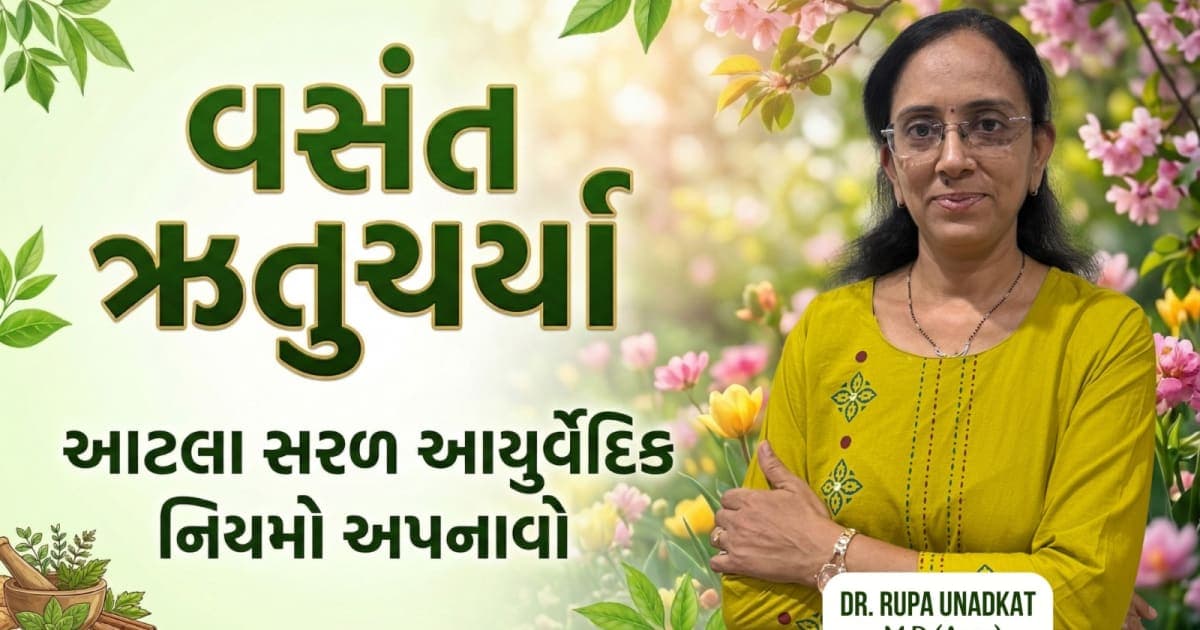
Ayurvedic Guide for Spring Season (Vasant Ritu) | Dr. Rupa Unadkat
Dr. Rupa Unadkat
13 March 2026
Ayurvedic Guide for Spring Season: How to Stay Healthy During Vasant Ritu
The spring season is in the air—and so is Kapha. In Ayurveda, the months of March and April (Fagan and Chaitra) mark Vasant Ritu, the spring season. While the blossoming trees and cool breeze feel refreshing, this is also the time when accumulated Kapha dosha in the body becomes aggravated—leading to seasonal colds, coughs, sluggish digestion, and low energy.
The good news? Ayurveda has a precise roadmap for exactly how to eat, drink, move and detox during this season so your body stays strong and balanced throughout the year.
Why Is Spring the Season of Kapha?
During the winter months of Hemant and Shishir, our bodies naturally accumulate Kapha. The cold weather and the heavy, oily, sweet foods we tend to eat in winter—think ghee, sweets, rich dals, and warming foods—cause Kapha to build up gradually in our tissues and channels.
When spring arrives and temperatures begin to rise, this accumulated Kapha starts to liquefy and spread through the body's channels (srotas). This is called Kapha Prakopa — the aggravation of Kapha. As it spreads it weakens your digestive fire (Agni), making your body more vulnerable to illness.
This is why seasonal colds and coughs are so common in March and April.
What to Eat in Vasant Ritu
✅ Foods to Include
Grains—Choose Old Grains In spring, Ayurveda recommends eating stored or aged grains rather than freshly harvested ones. New grains arriving in the market at this time tend to be sweet, sticky, and heavy—qualities that increase Kapha further. Stick to:
- Barley (Jav)
- Sorghum (Juvar)
- Wheat (Gehun)
These are lighter and easier to digest during this season.
Pulses—Green Moong is your best friend. Moong dal and whole green moong are ideal during Vasant Ritu because they are light, easy to digest, and do not aggravate Kapha. Make them a staple in your meals this season.
Flavors to Favor: Ayurveda recommends three tastes that naturally pacify Kapha.
- Pungent (Katu)—dry ginger (sunthi), black pepper (mari), carom seeds (ajmo)
- Bitter (Tikta)—tender neem leaves, neem flowers (especially during Chaitra month)
- Astringent (Kashaya)—foods and herbs with a drying, tightening quality
Incorporating these flavours in your cooking this season helps digest accumulated Kapha and rekindles digestive fire.
❌ Foods to Avoid
- Heavy, oily and sweet foods that were fine in winter
- Freshly harvested new grains
- Urad dal (black lentils) — sticky and very heavy to digest
- Excess dairy, sweets and fried foods
What to Drink
Warm Water in the Morning: Start your day with lukewarm water. This simple habit helps stimulate digestion and begins clearing Kapha from the channels.
Dry Ginger Boiled Water (Sunthi Water) Boiling water with dry ginger and drinking it throughout the day is excellent for digesting Kapha and improving Agni.
Nagarmotha Boiled Water If you find dry ginger too spicy or heating, nagarmotha (Cyperus rotundus) boiled in water is a wonderful alternative. It pacifies Kapha, improves digestion, and is gentle enough for most people.
Honey Water Honey is described in Ayurveda as a natural Kapha destroyer (kaphahara). Taking a glass of lukewarm water with a teaspoon of raw honey in the morning is specifically recommended during Vasant Ritu.
⚠️ Never heat honey or add it to very hot water — always use lukewarm water.
Lifestyle Practices for Vasant Ritu
Exercise daily.
Physical activity is considered the most important lifestyle recommendation for spring. Regular exercise—whether yoga, walking, or any other form of movement—actively helps digest and clear accumulated Kapha from the body. Make this a non-negotiable part of your spring routine.
No Daytime Sleep (Divaswap)
Ayurveda specifically prohibits daytime sleeping during Vasant Ritu. Sleeping in the afternoon increases Kapha, further weakens digestive fire, and creates the conditions for illness. If you feel tired after lunch, a short 10-minute rest sitting upright is acceptable — but avoid lying down and sleeping.
Udvartan — Dry Powder Massage
Udvartan is a traditional Ayurvedic dry massage using herbal powders. Unlike oil massage which can increase Kapha, dry powder massage absorbs excess moisture and Kapha from the skin and tissues. It improves circulation, lightens the body and leaves you feeling energized. Visit an Ayurvedic centre to get Udvartan done this season.
Herbal Medicines for Spring
Haritaki (Harade)
Haritaki is described in Ayurveda as a Rasayana—a rejuvenating herb that supports overall health and longevity. Spring is an excellent time to take haritaki, as it helps clear accumulated Kapha and supports digestive health.
Consult your Ayurvedic doctor for the correct form and dosage suitable for your constitution.
Neem Leaves and Flowers
Fresh tender neem leaves and neem flowers are considered especially beneficial during Chaitra month (April). Their intensely bitter taste directly counteracts Kapha and helps purify the blood. Even a small daily amount makes a meaningful difference.
Panchakarma Therapies for Vasant Ritu
Vasant Ritu is considered the ideal season for Panchakarma — Ayurveda's classical detoxification therapies. Two treatments are particularly recommended:
Vaman (Therapeutic Emesis)
Vaman is the most highly recommended Panchakarma therapy for spring. It directly eliminates liquefied Kapha from the body through controlled therapeutic vomiting. When done correctly under the guidance of a qualified Ayurvedic doctor, Vaman, done in spring, can protect your health for the entire year ahead.
Nasya (Nasal Oil Therapy)
Nasya involves administering medicated oil drops into the nostrils. This clears Kapha from the head and neck region, improves respiratory health and sharpens the senses. It is safe, simple and highly effective during the spring season.
Both Vaman and Nasya must be done under the supervision of a qualified Ayurvedic physician. Do not attempt these at home.
Final Thoughts
Spring is one of the most important seasons in Ayurveda for preventive health. By following these seasonal guidelines—adjusting your diet, staying active, avoiding daytime sleep, and considering Panchakarma—you give your body the best possible start to the year.
These are not complicated or expensive changes. Most of them simply involve eating a little lighter, drinking warm water and moving your body every day. Small consistent habits in spring create the foundation for strong health across all four seasons.
Stay well this spring. 🌿
Dr. Rupa Unadkat
Ayurveda & Panchakarma Specialist with 15+ years of clinical expertise. Passionate about sharing authentic Ayurvedic wisdom for everyday health and wellness.
Book a Consultation →