👩⚕️ Pre-Menopause & Menopause Symptoms Explained | Women’s Care 🌸
Dr. Rupa Unadkat
11 March 2026
Premenopausal Guidelines
Is menopause or premenopause a disease? The answer is no. Menopause is a natural stage in a woman’s life that comes with increasing age. It is not a disease in itself. However, due to the changes that occur in the body and mind during this phase, women may experience various discomforts.
If lifestyle changes are not made according to these changes, certain health problems may arise during this stage. Therefore, although menopause itself is not a disease, this article aims to explain how to prevent illnesses from developing during this period.
What is Premenopause?
Premenopause usually occurs between the ages of 40 and 50. During this period, several changes begin to occur in the body. Let us understand what changes take place, what symptoms arise because of them, and what should be done to manage them.
According to modern science, during premenopause the level of estrogen decreases, leading to estrogen deficiency. Along with this, the ratio between estrogen and other hormones changes, which leads to hormonal imbalance.
Due to this imbalance, the coordination between the pituitary gland, hypothalamus, and ovarian glands also changes or becomes disturbed.
Understanding According to Ayurveda
According to Ayurvedic science, during this period Vata dosha increases. Along with this, Pitta also increases, and due to Pitta aggravation (Pitta dagdhata), Vata increases further.
In addition:
- Apana Vayu becomes imbalanced
- Digestion and metabolism of Rasa Dhatu and Rakta Dhatu are affected
- Agni (digestive fire) becomes weak
Because of these hormonal changes and the imbalance of Vata and Pitta, several symptoms appear.
Common Symptoms of Premenopause
1. Irregular Menstruation
Menstrual cycles may become irregular. Periods may occur:
- More frequently or less frequently
- Earlier or later than usual
- Sometimes not regularly
Due to estrogen deficiency and increased Vata-Pitta, the following changes may also occur.
2. Changes in Skin and Hair
- Increased dryness in hair and skin
- Reduced skin glow
- Loss of natural moisture
- Sometimes unexpected pigmentation
3. Bone and Joint Problems
Due to calcium deficiency:
- Risk of osteoporosis
- Joint pain
- Lower back pain
4. Digestive Changes
Because digestive fire (Agni) becomes weak:
- Metabolism slows down
- Weight may increase even without overeating
- Reduced appetite
- Weak digestion
5. Acidity Problems
Due to increased Pitta:
- Acid reflux
- Hyperacidity
6. Heart Palpitations
Hormonal imbalance may sometimes cause increased heartbeat or palpitations.
7. Emotional and Mental Changes
Hormonal imbalance may also cause:
- Feelings of sadness
- Loneliness
- Sleep disturbances
- Reduced sleep
- Mood swings
- Sudden crying
These symptoms often disturb women significantly.
What Can Be Done to Manage These Symptoms?
Mental Wellbeing
Practices like the following are beneficial:
- Meditation
- Chanting
- Mantra chanting
- Maintaining a disciplined daily routine
Herbs such as Brahmi and Shankhpushpi, which support brain health, can be taken under the guidance of an Ayurvedic physician.
Diet Recommendations
During this phase, digestion becomes weak and weight gain may occur. Therefore, the diet should be light, easily digestible, and nutritious.
Since weight gain can naturally occur during this stage, it is important to avoid fast food and junk food. However, extreme or trendy diets should also be avoided because they may cause nutritional deficiencies.
Instead, one should consume nutritious and slightly unctuous foods.
Grains that can be included in the regular diet:
- Ragi
- Rajgira (Amaranth)
- Jowar (Sorghum)
Dry fruits that are beneficial include:
- Figs
- Dates
- Black raisins
Along with these:
- Jaggery or jaggery water
- Green gram (moong)
- Pure cow’s ghee
Spicy, oily, and processed foods should be avoided. However, if there is a strong craving, they may be consumed occasionally once in 10–12 days with moderation.
Lifestyle (Vihar)
Daily routine should include:
- Morning walks
- Yoga
- Light exercise according to one’s physical capacity
It is important to remain physically active.
Emotional Health
Menopause is an inevitable and natural phase of life. It should be accepted with love and understanding, and one should move forward with positivity.
To manage emotional changes and mood swings:
- Maintain a structured daily routine
- Spend time with supportive groups and have positive conversations
It is also important to remain:
- Active
- Creative
Women should continue nurturing their hobbies and creativity.
They can also learn new things such as:
- Languages
- Arts
- New skills Either online or offline.
Ayurvedic Medicines
Important Ayurvedic herbs for menopause and premenopause include:
- Shatavari
- Yashtimadhu (Licorice)
In addition, Rasayana medicines and Medhya (brain-supporting) medicines may be taken under the guidance of an Ayurvedic physician.
Medicines that improve digestion may also be recommended.
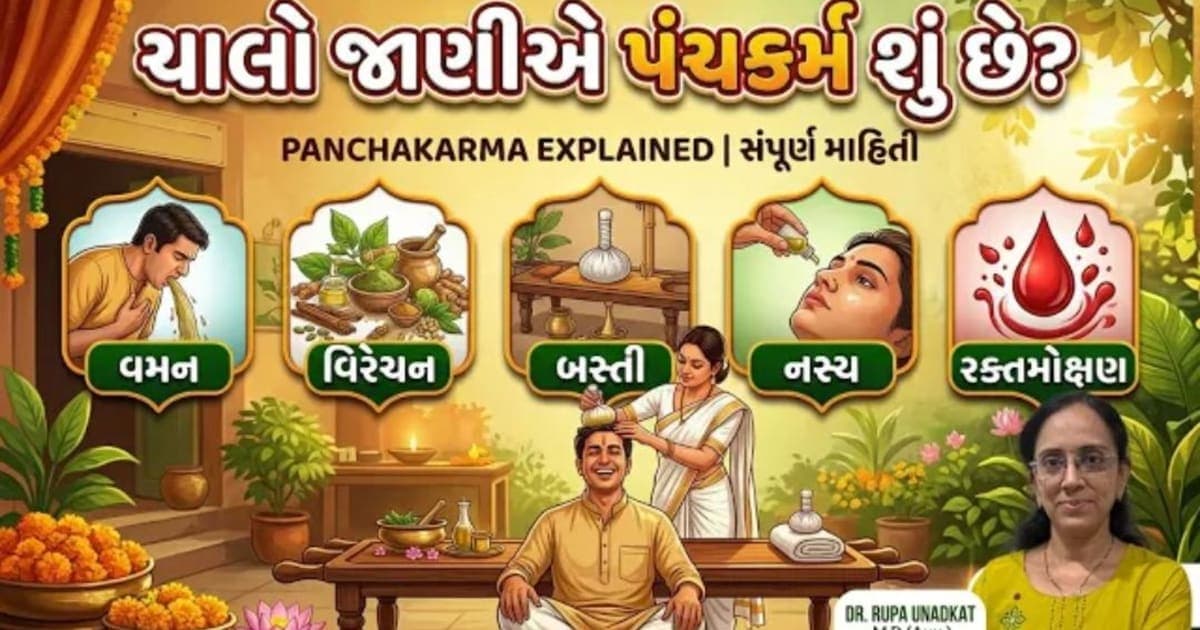
Panchakarma
Due to bodily changes during this phase, it is important to maintain muscle and tissue strength.
Abhyanga and Swedana
Weekly oil massage (Abhyanga) and steam therapy (Swedana) help:
- Improve muscle flexibility
- Strengthen tissues
- Provide anti-aging benefits
Basti Therapy
Taking Matra Basti for 7 days once a year helps purify and balance Apana Vayu.
Therefore, Basti therapy is recommended as part of Panchakarma.
Nasya
For sleep disturbances, Nasya with cow’s ghee can be beneficial.
Conclusion
Menopause is a natural transition from youth to maturity in a woman’s life. If understood properly and supported with the right lifestyle, diet, and Ayurvedic care, this journey can become a healthy and fulfilling phase of life.
Wishing you a happy and balanced transition into this new stage of life.
Thank you.
Dr. Rupa Unadkat
Ayurveda & Panchakarma Specialist with 15+ years of clinical expertise. Passionate about sharing authentic Ayurvedic wisdom for everyday health and wellness.
Book a Consultation →